
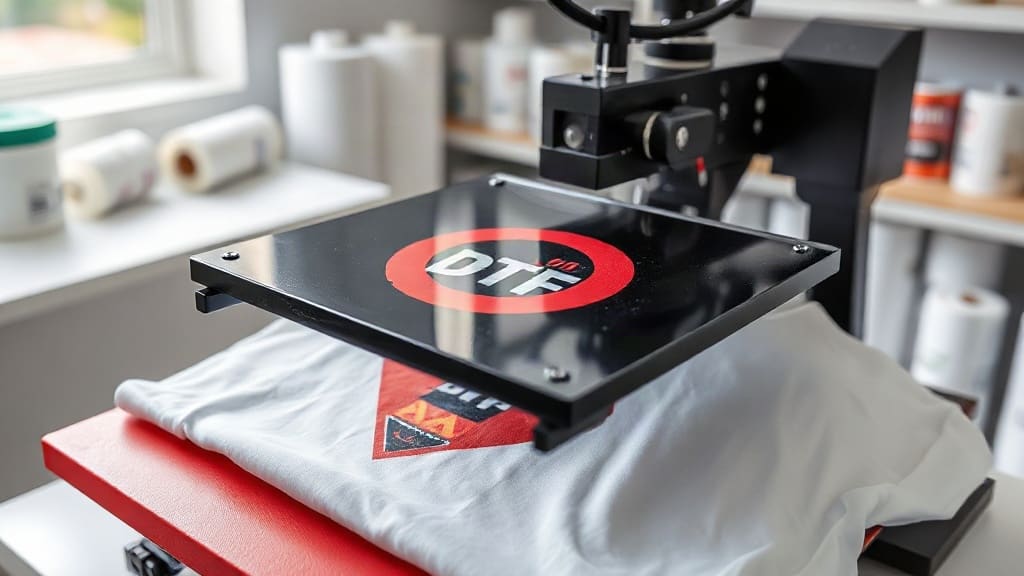
DTF transfers have taken the custom apparel printing world by storm. If you've been searching for a flexible, high-quality, and cost-effective method to bring your designs to life, chances are you've come across this term. But what exactly are they, and why are they becoming the go-to choice for businesses and hobbyists alike? In this comprehensive guide, we'll dive deep into everything you need to know about DTF transfers, from the process and materials to tips for achieving perfect prints.
What Are DTF Transfers?
DTF stands for Direct to Film. It's a printing method where your design is printed onto a special PET film using a DTF printer and pigmented inks. The printed film is then covered with a hot-melt adhesive powder, which is heat-activated later. To transfer the design onto a garment, you place the film on the fabric and apply heat and pressure with a heat press. The result is a durable, vibrant, and soft-to-the-touch print that can be applied to a wide range of materials.
How Does the DTF Process Work?
Understanding the step-by-step process helps clarify why DTF transfers are so popular. Here's a breakdown:
- Design Creation: You create or choose a design using graphic software. The design is printed in reverse (mirrored) because the printed side will be placed against the fabric.
- Printing: A specialized DTF printer prints the design onto a clear PET film using CMYK plus white ink. The white ink is crucial for opacity, especially on dark garments.
- Powder Application: While the ink is still wet, a hot-melt adhesive powder is applied to the printed film. This powder sticks only to the ink areas.
- Curing: The film passes through a dryer or heat tunnel to melt the powder slightly, ensuring it adheres firmly to the ink.
- Transfer: To apply the design, you place the film on the garment with the printed side down and press it with a heat press at around 160-170°C (320-340°F) for 10-15 seconds.
- Peeling: After pressing, you peel the film away, leaving the design perfectly transferred onto the fabric.
Why Choose DTF Transfers Over Other Methods?
DTF transfers offer several advantages that make them stand out from traditional methods like screen printing, vinyl, or direct-to-garment (DTG). Let's explore some of the key benefits.
Versatility Across Fabrics
One of the biggest wins is the ability to print on almost any fabric: cotton, polyester, blends, nylon, and even leather or denim. This flexibility is a game-changer for businesses that produce various product lines without needing different equipment.
Exceptional Color Vibrancy and Detail
DTF prints boast vivid colors and sharp details, even on dark backgrounds. The white ink layer ensures that colors pop, making your designs look professional and eye-catching.
Cost-Effective for Small and Large Orders
Unlike screen printing, which has high setup costs and is only economical for bulk orders, DTF is affordable for single items and small batches. There's no need for screens or setup fees; you can print one-off designs just as easily as hundreds. This makes it ideal for custom orders, promotional products, and small business start-ups.
Durability and Washability
When applied correctly, DTF transfers withstand numerous washes without fading, cracking, or peeling. The adhesive powder creates a strong bond between the ink and the fabric, ensuring long-lasting results.
No Pre-Treatment Required
With DTG printing, you often need to pre-treat garments, especially dark ones, to ensure proper ink adhesion. DTF transfers skip this step entirely, saving time and reducing hassle.
Applications of DTF Transfers
The possibilities with DTF are vast. Here are some common uses:
- Custom t-shirts, hoodies, and sweatshirts
- Tote bags, caps, and other accessories
- Work uniforms and team apparel
- Personalized gifts and promotional merchandise
- Pet apparel and accessories
- Sportswear and activewear
Essential Materials and Equipment
To start with DTF transfers, you'll need specific equipment and supplies. Here's a list of what's typically required:
- DTF Printer: An inkjet printer modified for DTF printing, often based on Epson or other piezo printheads.
- DTF Inks: Pigmented inks, including CMYK and white. White ink is essential and requires constant circulation to prevent settling.
- PET Film: High-quality, coated film that releases the design easily during transfer.
- Hot Melt Adhesive Powder: Fine powder that activates under heat to bond the print to the fabric.
- Heat Press: A clamshell or swing-away heat press with accurate temperature control.
- Dryer or Curing Oven: To melt the powder and cure the film before storage or transfer.
- Software: For design creation and printing, you'll need graphic design software like Adobe Illustrator or Photoshop.
Tips for Perfect DTF Transfers
Even with the right equipment, achieving perfect results takes practice. Here are some tips to ensure your DTF transfers come out flawless every time.
Maintain Your Equipment
Regularly clean your printer heads to prevent clogs, especially with white ink. Use high-quality inks and films to avoid common issues like color bleeding or poor adhesion.
Adjust Settings for Different Fabrics
Different materials require different temperature and pressure settings. For example, polyester might need lower temperatures to avoid scorching, while cotton can handle higher heat. Always test on a scrap piece first.
Handle the Film with Care
The printed film is delicate before curing. Avoid touching the inked areas to prevent smudging or contamination. After curing, store the films in a cool, dry place away from direct sunlight.
Press with Even Pressure
Ensure your heat press applies uniform pressure across the entire design. Uneven pressure can lead to inconsistent adhesion and cause parts of the design to lift.
Peel at the Right Time
Some films require hot peeling (immediately after pressing), while others need cold peeling (wait for it to cool). Check your film's specifications and follow the instructions to avoid damaging the print.
Cost Considerations
The initial investment for DTF printing can be significant, but it pays off in the long run. A basic setup with a printer, heat press, and supplies might cost around $3,000 to $5,000. However, the per-print cost is relatively low, especially as you scale. For small businesses, DTF transfers offer an excellent return on investment due to their versatility and low waste.
DTF vs. DTG vs. Vinyl: Which Is Better?
Choosing the right method depends on your needs. DTF transfers excel in versatility and bulk speed, while DTG is superior for high-detail prints on cotton only, and vinyl is limited to simple designs and specific materials. DTF offers the best of both worlds for many users.
Frequently Asked Questions
Can DTF transfers be used on dark shirts?
Absolutely. The white ink layer ensures that the design remains opaque and vibrant on dark fabrics. This is one of the major advantages of DTF, as you don't need to worry about the garment color affecting the print.
How long do DTF transfers last?
With proper application and care, DTF prints can last as long as the garment itself. They are designed to withstand repeated washing and wearing. To maximize longevity, wash inside out in cold water and avoid ironing directly on the print.
Do I need to pre-treat the fabric before applying DTF transfer?
No, one of the biggest benefits of DTF is that no pre-treatment is required. You can apply the transfer directly to the clean, dry fabric, saving time and simplifying the process.
Can DTF transfers be printed in full color?
Yes, DTF printing uses CMYK plus white, so you can achieve full-color prints with gradients, shadows, and intricate details. The color reproduction is comparable to DTG printing.
What is the minimum order quantity for DTF transfers?
One of the best aspects of DTF is that there is no minimum order requirement. You can print a single item just as easily as a bulk order. This flexibility is perfect for on-demand printing and custom orders.
Conclusion
DTF transfers are transforming the custom apparel industry with their unmatched versatility, brilliant colors, and cost-effectiveness. Whether you're a seasoned printer or just starting, DTF offers a fantastic opportunity to expand your product range and impress your customers. By understanding the process, investing in quality materials, and following the tips outlined here, you'll be well on your way to creating stunning, durable prints that stand out. So why wait? Dive into the world of DTF and unlock your creative potential today!