
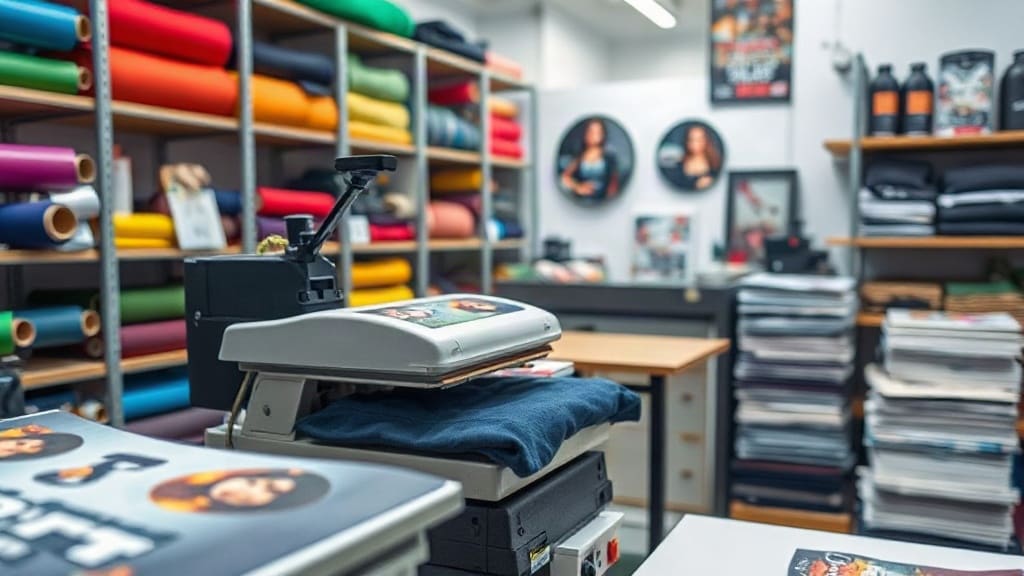
If you're in the custom apparel business or just love making your own T-shirts, you've probably heard about DTF (Direct to Film) printing. It's become a popular choice because it offers vibrant colors, excellent durability, and works on various fabrics. But finding a reliable provider can be a challenge, especially when you want to avoid long shipping times and see the quality firsthand. That's why many people search for DTF transfers near me. In this guide, we'll explore everything you need to know about local DTF providers, how to choose the best one, and what to expect during the process.
What Are DTF Transfers and Why Are They So Popular?
DTF transfers involve printing your design onto a special PET film, then applying it to fabric using a heat press. Unlike traditional screen printing, DTF doesn't require screens or setup charges for each color, making it cost-effective for small orders and full-color designs. The results are vibrant, stretchy, and can withstand many washes without fading or cracking.
For small businesses, DTF offers a low barrier to entry. You can start with just a printer and a heat press, but many prefer to use a professional service to ensure quality. Local providers can offer quick turnaround and personal advice, which is a huge plus.
Why Choose a Local DTF Provider?
When you search for DTF transfers near me, you're likely looking for convenience. Local providers allow you to:
- See and feel sample transfers before committing to a large order.
- Discuss your project in person, which can lead to better results.
- Support your local economy and reduce shipping time and costs.
- Get faster replacements if something goes wrong.
However, not all local providers are equal. You need to know how to evaluate them to ensure you get high-quality transfers that meet your expectations.
How to Find the Best DTF Transfers Near Me
Start by asking for recommendations from other local business owners or online communities. Social media groups for crafters and small businesses often have members who can point you in the right direction. Use search engines with the phrase DTF transfers near me and check out their websites and reviews.
Here are key factors to consider:
1. Quality of Prints
Ask to see samples of their work. Look for vibrant colors, crisp edges, and a smooth finish. The transfer should not feel too thick or plasticky. A good provider will be happy to show you examples.
2. Turnaround Time
How quickly can they produce your order? If you have an event or a customer deadline, you need someone who can deliver on time. Ask about their current workload and if they offer rush services.
3. Pricing and Minimum Orders
Some providers have a minimum order quantity, which might not suit your needs. Compare prices for different sizes and quantities. Be wary of prices that seem too low, as they might indicate lower quality.
4. Materials Used
Inquire about the type of PET film, powder, and ink they use. High-quality materials ensure better adhesion and durability. Ask if they offer different finishes, like matte or glossy.
5. Customer Service
How responsive are they? Do they answer your questions clearly? Good communication is essential, especially if you need modifications to your design.
What Is the Typical Cost of DTF Transfers?
Pricing varies based on the size of the transfer, the number of colors, and the quantity. On average, you might pay $1.50 to $5.00 per transfer for small to medium orders. Larger quantities usually reduce the per-unit cost. Local providers may have slightly higher prices than online ones, but the benefits of local service often outweigh the difference.
How to Compare Prices Effectively
When asking for quotes, ensure you provide the same specifications to each provider: design size, number of colors, quantity, and fabric type. This way, you can compare apples to apples. Also, ask about any additional fees, such as setup or shipping.
Steps to Order DTF Transfers Locally
Once you've found a provider, the ordering process is straightforward:
- Prepare your design in a high-resolution format (PNG or PDF). Ensure it has a transparent background if you want clear areas.
- Send your design to the provider via email or their website. They might request a proof for approval.
- Discuss the size and placement. Some providers offer templates to help you visualize.
- Confirm the order details, including quantity and deadline.
- Pay and wait for the transfer. Many local providers will notify you when they're ready for pickup or schedule delivery.
When you receive the transfers, check them for quality. If you're applying them yourself, make sure you have the right heat press settings. The provider should give you instructions, but standard DTF pressing is usually around 160°C (320°F) for 10-15 seconds with medium pressure.
Common Mistakes to Avoid When Buying DTF Transfers
- Not checking reviews: Always look for feedback from other customers to ensure reliability.
- Skipping samples: If possible, order a small test batch before committing to a large order.
- Providing low-resolution images: This leads to blurry prints. Use at least 300 DPI.
- Ignoring fabric compatibility: DTF works on cotton, polyester, and blends, but some providers might have limitations. Ask first.
- Not asking about warranty: What happens if the transfer fails? Some providers offer replacements.
Frequently Asked Questions
How do I know if a DTF transfer provider is trustworthy?
Look for consistent positive reviews, clear communication, and a willingness to provide samples. Check their social media for real customer photos. A trustworthy provider will be transparent about their processes and pricing.
Can I use DTF transfers on dark-colored garments?
Yes, DTF prints work well on dark fabrics because you can print a white base layer. The transfer includes the white background, ensuring your design pops. However, the quality depends on the provider's printer and technique, so ask about their experience with dark garments.
How long does a DTF transfer last?
With proper application and care, DTF transfers can last as long as the garment itself. They should withstand at least 50 washes without significant fading or cracking. Following washing instructions, like turning the shirt inside out and using cold water, can extend the life.
What is the difference between DTF and screen printing?
Screen printing requires a separate screen for each color and is best for large orders of simple designs. DTF is digital, allowing full-color prints without setup costs, making it ideal for small batches and complex artwork. DTF also offers a softer feel and better stretchability.
Do I need to buy a heat press to use DTF transfers?
Yes, you need a heat press to apply the transfer. A standard clamshell heat press works fine. Ensure it can reach 160°C (320°F) and provide medium pressure. You also need to use a silicone sheet or Teflon paper to protect the transfer during pressing.
Now that you know what to look for, you can confidently search for DTF transfers near me and find a partner that helps your business grow. Remember to prioritize quality, communication, and service. A great local provider is worth their weight in gold, ensuring your custom apparel looks professional and lasts long.