
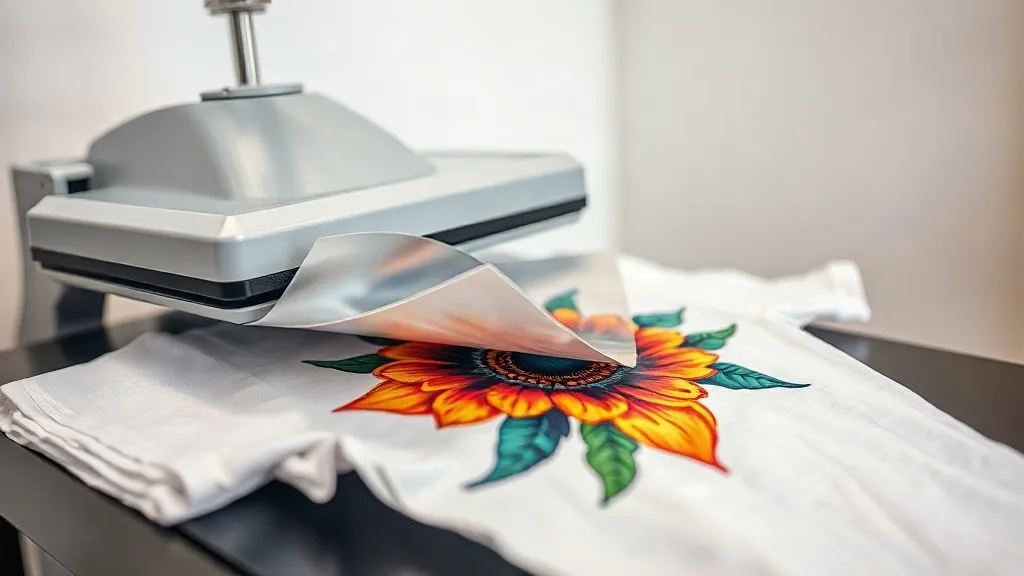
Imagine pressing a design onto a cotton t-shirt, a polyester hoodie, or even a canvas tote, and watching it come out with colors so vivid they seem to glow. That's the magic of dtf transfers, a technology that has taken the custom apparel world by storm. Unlike traditional methods that limit you to certain fabrics, DTF (Direct to Film) printing opens up a universe of possibilities. Whether you're a small business owner looking to expand your product line or a hobbyist wanting to create professional-grade merch, understanding DTF transfers is your ticket to stunning, durable prints.
In this guide, we'll walk you through everything you need to know about dtf transfers, from the science behind the process to practical tips for flawless application. By the end, you'll be ready to harness this technology and elevate your creations.
What Are DTF Transfers?
DTF transfers are a modern printing technique where your design is printed onto a special film, coated with a heat-activated adhesive powder, and then pressed onto fabric using a heat press. The result is a vibrant, flexible print that bonds permanently to the material. Unlike DTG (Direct to Garment) printing, which requires pre-treatment and works best on cotton, DTF transfers adhere to almost any fabric, including polyester, blends, and even leather.
The process involves several key steps: designing your artwork, printing it onto the film using specialized DTF inks, applying the adhesive powder, and curing it. Once the transfer is ready, you simply place it on your garment and press. The film peels away, leaving behind a soft, stretchable print that withstands washing and wear.
The Science Behind DTF
At its core, DTF printing uses water-based pigments that are printed onto a PET film. The adhesive powder, typically a thermoplastic polyurethane (TPU), melts under heat and fuses with the fabric fibers. This creates a strong bond that is both flexible and durable. The color vibrancy comes from the pigments themselves, which are engineered to produce bright, saturated hues without the need for pre-treatment.
Why Choose DTF Transfers?
If you're wondering why DTF has become so popular, here are the standout benefits:
- Fabric versatility: DTF works on cotton, polyester, blends, nylon, canvas, and more. No need to stock different transfer types for different materials.
- No pre-treatment: Save time and money by skipping the pre-treatment step required for DTG printing.
- Vibrant colors: DTF inks produce rich, bold colors that pop on both light and dark fabrics.
- Soft hand feel: The prints are thin and flexible, making them comfortable to wear.
- Durability: When applied correctly, DTF transfers resist cracking, fading, and peeling even after multiple washes.
- Cost-effective for small batches: Unlike screen printing, which requires setup costs per color, DTF is economical for short runs and one-offs.
These advantages make dtf a go-to solution for personalized gifts, small business merchandise, and on-demand production.
DTF vs. Other Printing Methods
To appreciate DTF fully, it helps to compare it with other common techniques.
DTF vs. DTG
DTG printing is excellent for cotton fabrics and produces high-quality prints, but it requires pre-treatment and can be finicky on blends. DTF, on the other hand, works on almost any fabric without pre-treatment, making it more versatile. DTF prints also tend to be more durable on polyester.
DTF vs. Screen Printing
Screen printing is cost-effective for large orders with few colors, but it involves setup costs and is limited to certain fabrics. DTF shines for small batches and complex designs with many colors, as there are no per-color charges.
DTF vs. Vinyl
Heat transfer vinyl (HTV) is great for simple designs but struggles with fine details and gradients. DTF handles intricate artwork beautifully and doesn't require weeding, saving time and reducing waste.
How to Apply DTF Transfers: Step-by-Step
Getting a perfect DTF transfer is easy if you follow these steps:
- Preheat your garment: This removes moisture and wrinkles. Press for 5-10 seconds at 150-160°C (300-320°F).
- Place the transfer: Position the transfer on the garment with the printed side facing up.
- Press: Apply medium pressure for 10-15 seconds at 150-160°C. Use a heat press for consistent results.
- Peel: Wait a few seconds for the transfer to cool slightly, then peel the film away smoothly. For a matte finish, peel while hot; for a glossy finish, peel when cold.
- Post-press: Cover with a Teflon sheet or parchment paper and press for another 5-10 seconds to ensure the print is fully bonded.
Always test on a scrap fabric first to dial in your press settings.
Tips for Flawless DTF Transfers
Even with a straightforward process, small details can make a big difference. Here are some expert tips:
- Store transfers properly: Keep them in a cool, dry place away from direct sunlight to prevent the adhesive from curing prematurely.
- Use the right pressure: Too little pressure results in poor adhesion; too much can cause the print to spread. Aim for medium pressure.
- Mind the fabric: For heat-sensitive fabrics like nylon, lower the temperature and increase press time.
- Cool peel for fine details: If your design has tiny text or intricate patterns, peeling after cooling helps preserve the details.
- Wash inside out: To prolong the life of your print, wash garments inside out in cold water and tumble dry low.
Finding Quality DTF Transfers
When sourcing DTF transfers, quality is paramount. Look for suppliers who use high-grade inks and films, and who provide consistent results. If you're searching for dtf transfers near me, consider online retailers that specialize in DTF products. They often offer a wide range of designs, custom printing services, and fast shipping. Reading reviews and checking samples can help you avoid subpar products that crack or fade quickly.
At DTF Print Boost, we pride ourselves on delivering premium DTF transfers that exceed expectations. Our transfers are known for their vibrant colors, soft feel, and exceptional durability. Whether you need a single custom transfer or a bulk order, we've got you covered.
Common Mistakes to Avoid
Even seasoned pros can slip up. Here are pitfalls to watch out for:
- Skipping pre-press: Always preheat the garment to remove moisture; otherwise, the transfer may not adhere properly.
- Using too much pressure: This can cause the adhesive to bleed, resulting in a messy outline.
- Peeling too soon or too late: Follow the recommended peel method for your specific transfer type.
- Ignoring fabric type: Different fabrics require different settings. Always test.
- Improper storage: Exposure to heat and humidity can ruin unused transfers.
Frequently Asked Questions
How long do DTF transfers last?
With proper application and care, DTF transfers can last as long as the garment itself. They resist cracking and fading for 50+ washes when washed inside out in cold water.
Can I use DTF transfers on dark fabrics?
Absolutely! DTF transfers include a white ink base that makes colors pop on dark materials. They work beautifully on black, navy, and other dark colors.
Do I need a special printer for DTF transfers?
Yes, DTF printing requires a DTF printer and specialized inks. However, you can purchase pre-printed transfers from suppliers and apply them with a standard heat press.
What is the best temperature for pressing DTF transfers?
The ideal temperature is typically 150-160°C (300-320°F) for 10-15 seconds. Always check the instructions provided with your transfers, as formulations may vary.
Can I stretch DTF prints?
DTF prints are flexible and can stretch with the fabric without cracking, thanks to the elastic adhesive. However, excessive stretching may cause minor distortion over time.
Ready to elevate your apparel game? Explore our collection of dtf transfers at DTF Print Boost and experience the difference quality makes.