
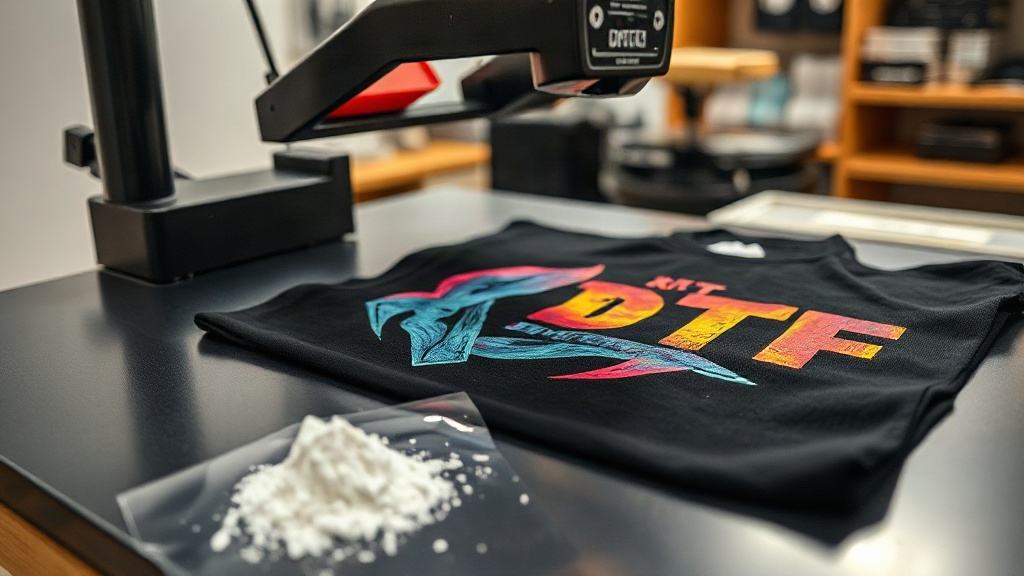
If you've been exploring custom apparel printing, you've likely encountered DTF printing. Short for Direct-to-Film, this method has quickly become a favorite among hobbyists and professionals alike for its ability to produce vivid, durable designs on a wide range of fabrics. Unlike traditional techniques that require specific materials or extensive setup, DTF printing offers a streamlined workflow that doesn't compromise on quality. In this guide, we'll walk you through everything you need to know to get started with DTF printing, from the basic process to practical tips for achieving professional results.
What is DTF Printing?
DTF printing, or Direct-to-Film printing, is a digital printing method where your design is printed onto a special film, coated with adhesive powder, and then heat-pressed onto the fabric. This process allows for vibrant, full-color transfers that can be applied to almost any fabric, including cotton, polyester, blends, and even leather. The magic of DTF lies in its simplicity: you don't need to pre-treat the garment, and the film acts as a carrier for the ink, which is then fused into the fabric with heat and pressure.
Why Choose DTF Printing?
There are several reasons why DTF printing has gained such a strong following. Here are the key benefits:
- Versatility: Works on a wide range of fabrics and colors, including dark and light materials.
- Durability: The prints are stretchable and resistant to cracking, peeling, and fading when applied correctly.
- No Weeding: Unlike vinyl cutting, there's no tedious weeding process, saving you time and effort.
- Full-Color Designs: Achieve photographic-quality images with gradients and fine details.
- Cost-Effective for Short Runs: Ideal for small batches and personalized items without the setup costs of screen printing.
How Does DTF Printing Work?
The DTF printing process can be broken down into four main steps:
- Design Preparation: Create your artwork in a graphics program and print it onto a DTF film using a DTF printer with specialized inks.
- Powder Application: While the ink is still wet, apply a thermoplastic adhesive powder evenly over the printed design.
- Curing: Remove excess powder and cure the film using a heat press or oven to melt the powder, creating a adhesive layer.
- Transfer: Place the film onto the garment and apply heat and pressure with a heat press to transfer the design. Once cooled, peel off the film to reveal your vibrant print.
Getting Started with DTF Printing
To begin your DTF printing journey, you'll need the right equipment and supplies. Here's a checklist:
- A DTF printer (or access to a printing service)
- DTF film (usually PET film)
- DTF inks (CMYK plus white)
- Adhesive powder (TPU-based)
- Heat press
- Design software
If you're not ready to invest in a printer, many online services offer DTF transfers that you can order and apply yourself. This is a great way to test the waters before committing to the equipment.
Tips for Successful DTF Printing
To ensure your DTF prints look professional and last long, keep these tips in mind:
- Choose the Right Film: Not all DTF films are created equal. Look for films designed for your printer and ink type.
- Control Moisture: Humidity can affect powder adhesion. Store your film and powder in a dry environment.
- Test Your Heat Press Settings: Temperature, pressure, and time vary by fabric and film. Always do a test press.
- Use Quality Inks: Cheap inks can clog your printer and produce dull colors.
- Handle with Care: Avoid touching the printed side of the film before transfer to prevent contamination.
Common Applications of DTF Printing
DTF printing is used for a variety of items, including:
- T-shirts, hoodies, and other apparel
- Canvas bags and totes
- Hats and caps
- Denim jackets and jeans
- Sportswear and uniforms
Its ability to adhere to hard-to-print fabrics makes it a go-to for personalized gifts and small business merchandise.
Frequently Asked Questions
What fabrics can I use with DTF printing?
DTF printing works on a wide range of fabrics, including cotton, polyester, nylon, leather, and blends. It's particularly effective on dark colors where other methods may struggle.
How durable are DTF prints?
When applied correctly, DTF prints are highly durable. They can withstand repeated washing and stretching without cracking or fading. Following proper washing instructions (inside out, cold water, no bleach) will extend their life.
Do I need a special printer for DTF printing?
Yes, you need a DTF printer that uses DTF inks and is equipped with a white ink channel. However, if you don't want to invest in a printer, you can order DTF transfers from service providers and apply them with a heat press.
Is DTF printing cost-effective for small businesses?
Absolutely. DTF printing has a low setup cost and is ideal for short runs and one-off designs. It eliminates the need for screens or plates, making it a budget-friendly option for small businesses and startups.
Can I use DTF printing on dark garments?
Yes, DTF printing excels on dark garments because it uses a white ink base that makes colors pop. The white layer ensures that the design remains vibrant even on black or navy fabrics.