
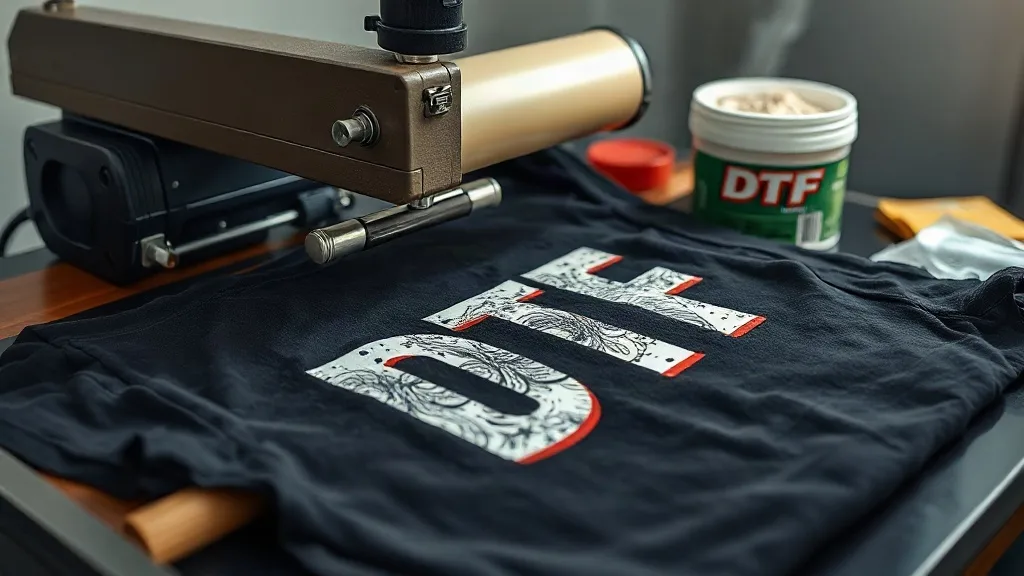
When you first hear about dtf transfers, it might sound like just another printing trend. But once you see the vibrant colors and feel the durability, you'll understand why so many creators are switching. Unlike traditional methods that limit your fabric choices or require expensive setups, DTF (Direct to Film) opens up a world of possibilities. In this guide, I'll walk you through the essentials, share practical tips, and help you avoid common pitfalls.
What Are DTF Transfers and How Do They Work?
At its core, dtf printing involves printing your design onto a special film, then transferring it to fabric using heat and pressure. The process starts with a digital printer that lays down CMYK inks followed by a white ink layer. This white layer is crucial because it allows the design to show up on dark garments. After printing, the film is dusted with a hot-melt powder, which acts as the adhesive. Once the excess powder is shaken off, the film is cured and ready to be pressed onto a shirt, hoodie, or even canvas.
The beauty of DTF is its versatility. You can apply these transfers to almost any fabric, including cotton, polyester, blends, and even some nylons. No need for pre-treatment like with DTG, and no weeding like with vinyl. It's a game-changer for small businesses and hobbyists alike.
Why Choose DTF Over Other Printing Methods?
If you've tried screen printing or heat transfer vinyl (HTV), you know the limitations. Screen printing is cost-effective for large orders but requires setup for each color, making small batches expensive. HTV is great for simple designs but struggles with complex gradients and fine details. DTF sits comfortably in the middle: it handles intricate designs with ease, works on dark colors without extra steps, and is cost-effective for both small and large runs.
Another advantage is the feel. DTF transfers are soft and flexible, not stiff like some other methods. They stretch with the fabric, so your prints won't crack or peel after a few washes. I've worn shirts with DTF prints for over a year, and they still look fresh.
Choosing the Right DTF Supplies
Not all DTF films and powders are created equal. The quality of your supplies directly affects the final result. Here's what to look for:
- Film: Look for a film that's compatible with your printer and offers good ink absorption. Matte films are common, but some prefer glossy for certain effects.
- Powder: Hot-melt adhesive powder comes in different mesh sizes. Finer powders (like 80-100 microns) give a softer feel, while coarser ones provide stronger adhesion.
- Inks: Use high-quality DTF inks designed for your printer. Cheap inks can clog printheads and produce dull colors.
If you're ever unsure, dtf transfers near me searches can help you find local suppliers who can advise on the best products for your setup. Many online communities also share their favorite brands and settings.
Step-by-Step Guide to Applying DTF Transfers
Applying a DTF transfer is straightforward, but attention to detail makes all the difference. Follow these steps for professional results:
- Preheat your heat press: Set the temperature to around 300-320°F (150-160°C). Preheating ensures even heat distribution.
- Prepare the garment: Place the shirt on the press and pre-press for 5-10 seconds to remove moisture and wrinkles.
- Position the transfer: Place the DTF film on the garment with the printed side facing up. The design should be facing you.
- Press: Apply medium pressure for 10-15 seconds. Use a Teflon sheet or parchment paper to protect the film.
- Peel: Wait a few seconds for the transfer to cool slightly, then peel the film off in a smooth, continuous motion. For a matte finish, peel while hot; for a glossy finish, peel when cold.
- Post-press: Cover the design with parchment paper and press again for 5 seconds to embed the ink into the fabric.
Each heat press behaves differently, so test with a scrap piece first. I learned that the hard way when I scorched a favorite tee!
Common Mistakes to Avoid with DTF Transfers
Even seasoned pros can slip up. Here are the most common pitfalls and how to dodge them:
- Insufficient pressure: If the transfer doesn't adhere properly, it's often due to light pressure. Adjust your press and test again.
- Over-pressing: Too much heat or time can cause the film to melt or the design to bleed. Stick to the recommended settings.
- Ignoring fabric type: While DTF works on many fabrics, some (like treated nylon) may require lower temperatures. Always check the fabric's heat tolerance.
- Skipping the powder step: If you're making your own transfers, don't skip the powder. It's the adhesive that holds everything together.
Another mistake is using old or damp powder. Store your powder in an airtight container to keep it dry and clump-free.
DTF Transfers for Business: Scaling Up
If you're running a print shop or starting a clothing line, DTF can be a profitable addition. The ability to produce one-off designs without minimum orders means you can offer custom apparel on demand. Many entrepreneurs start with a single printer and a heat press, then expand as demand grows.
When scaling, consider your workflow. Batch similar jobs together to maximize efficiency. Keep a log of settings for different fabrics so you can reproduce results quickly. And always have backup supplies on hand; running out of film mid-order is a nightmare.
Frequently Asked Questions
How long do DTF transfers last?
With proper application and care, DTF transfers can last 50+ washes. To extend life, wash garments inside out in cold water and avoid harsh detergents.
Can I use DTF on 100% polyester?
Yes, DTF works well on polyester, but use a lower temperature (around 280°F) to prevent the fabric from scorching or the dye from bleeding.
Do I need a special printer for DTF?
You can convert an existing inkjet printer to DTF with a DTF ink system and film. However, dedicated DTF printers are available and offer better reliability for high-volume production.
What's the difference between DTF and DTG?
DTG prints directly onto the garment, while DTF prints onto a film and then transfers. DTF works on more fabric types and doesn't require pre-treatment, but DTG can be more cost-effective for 100% cotton in large quantities.
Where can I find DTF transfers near me?
Search online for local suppliers or check with printing communities. Many online stores offer custom DTF transfers with quick turnaround, even if you're not local.
DTF transfers have revolutionized the way we think about custom apparel. Whether you're a hobbyist or a business owner, understanding the ins and outs of this technology can save you time and money. With the right supplies and a bit of practice, you'll be producing stunning, durable prints that your customers will love.