
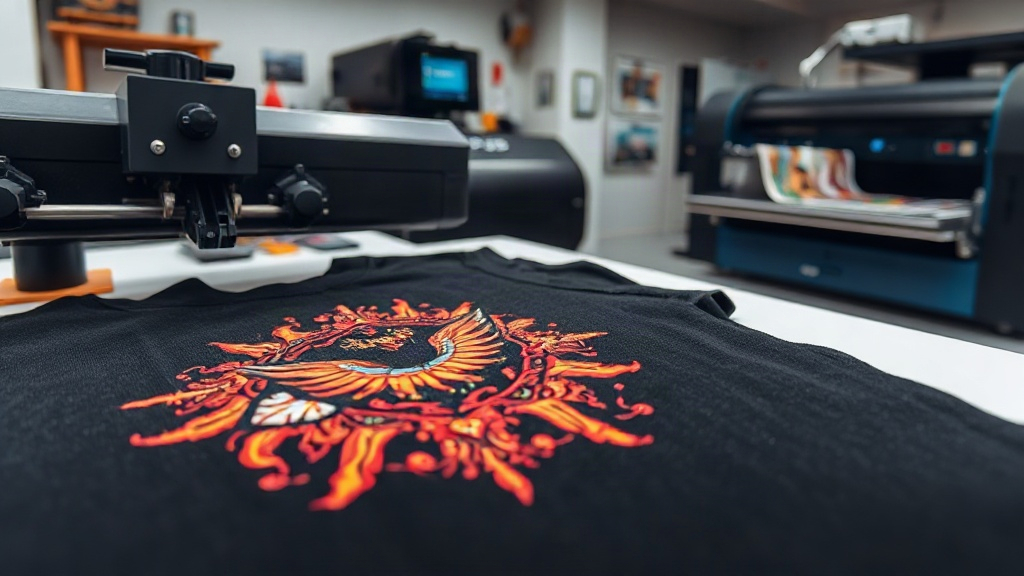
If you have been exploring custom apparel printing, you have likely heard about DTF Transfers. This innovative technology is quickly becoming a favorite among small business owners, hobbyists, and large-scale manufacturers alike. Unlike traditional methods that require specific fabrics or extensive setup, DTF transfers offer unparalleled versatility and vibrant results. Whether you are printing a single t-shirt for a personal project or producing hundreds of items for a brand, understanding DTF transfers can open up a world of possibilities. In this guide, we will walk you through the entire process, from design to finished product, and share practical tips to help you achieve professional-quality results every time.
What Are DTF Transfers?
DTF Transfers stand for Direct-to-Film transfers. This printing method involves printing your design onto a special PET film using water-based inks, then applying a powdered hot-melt adhesive to the wet ink. Once the powder is cured, the design is ready to be heat-pressed onto a garment. The adhesive melts during pressing, bonding the ink to the fabric. This process allows for intricate details and full-color designs without the limitations of color separation or weeding. Unlike DTG (Direct-to-Garment) printing, which requires the garment to be pre-treated and printed directly, DTF transfers can be printed in advance and stored for later use, making them incredibly convenient for on-demand production.
Why Choose DTF Transfers?
There are several compelling reasons why DTF Transfers have gained such popularity. First and foremost, they work on a wide range of fabrics, including cotton, polyester, blends, and even leather. This is a significant advantage over vinyl, which adheres best to cotton, or sublimation, which requires polyester. Additionally, DTF transfers produce vibrant, opaque colors that stand out on both light and dark garments. The ability to print full-color designs with fine details, such as gradients and photographs, without the need for multiple screens or color separations, makes DTF a cost-effective solution for short runs and complex artwork. Furthermore, the durability of DTF transfers is impressive; when applied correctly, they can withstand numerous washes without fading, cracking, or peeling.
The DTF Printing Process Step by Step
To achieve professional results with DTF Transfers, it is essential to follow a precise workflow. Here is a breakdown of the key steps:
- Design Preparation: Start with a high-resolution image. Ensure your design is mirrored (flipped horizontally) before printing, as the film will be placed face-down onto the garment. This step is crucial to avoid reversed text or images.
- Printing: Load the PET film into your DTF printer. The printer uses CMYK plus white ink to lay down the design. The white ink acts as a base, allowing the colors to pop on dark fabrics. Some printers also use a clear ink for added durability.
- Powder Application: While the ink is still wet, apply the hot-melt adhesive powder evenly over the printed area. Shake off any excess powder. This powder will adhere to the wet ink and create the bonding layer.
- Curing: Place the film in a curing oven or under a heat press for a specific time and temperature (typically around 160°C for 2-3 minutes). This melts the powder and cures the ink, making the transfer ready for application.
- Transfer Application: Set your heat press to the recommended temperature (usually 150-160°C) and pressure. Place the transfer face-down on the garment, press for 10-15 seconds, then peel the film off while it is still hot (hot peel) or after it cools (cold peel), depending on the film type.
Choosing the Right Equipment and Materials
The quality of your DTF Transfers heavily depends on the equipment and supplies you use. A reliable DTF printer is the cornerstone of your setup. Look for printers that offer high resolution and consistent ink flow. The type of PET film also matters; some films are designed for hot peel, while others are for cold peel. Hot peel films allow for faster production as you can remove the film immediately after pressing, while cold peel films may provide a smoother finish. The adhesive powder should be specifically formulated for DTF; using the wrong powder can lead to poor adhesion or a stiff feel. Additionally, using high-quality water-based inks ensures vibrant colors and good washability. It is worth investing in a good heat press with accurate temperature and pressure controls, as these factors directly affect the transfer's durability.
Common Challenges and How to Overcome Them
Even with the best equipment, you may encounter some issues when working with DTF Transfers. Here are a few common problems and their solutions:
- Transfer not adhering properly: This could be due to insufficient pressure, incorrect temperature, or not enough powder. Ensure your heat press is calibrated and apply even pressure. Also, make sure the powder is applied evenly and cured correctly.
- Cracking or fading after washing: This often results from under-curing the powder or using too much powder. Follow the curing instructions precisely and avoid over-powdering. Washing the garment inside out in cold water and avoiding bleach can also extend the life of the transfer.
- Colors look dull: If the colors appear muted, check your printer's ink levels and print head. Sometimes, a clogged nozzle can cause poor color output. Also, ensure you are using the correct color profile for your printer and ink set.
- Film peeling off too early or too late: This depends on the film type. If you are using hot peel film, peel immediately after pressing. For cold peel, wait until the transfer is completely cool. Using the wrong peel method can ruin the transfer.
Applications of DTF Transfers
DTF Transfers are incredibly versatile and can be used for a wide range of applications. They are perfect for custom t-shirts, hoodies, tote bags, caps, and even denim jackets. Because they can be applied to both natural and synthetic fabrics, they are ideal for sportswear, uniforms, and promotional items. Small businesses often use DTF transfers to create personalized merchandise on demand, reducing inventory costs. Crafters love them for adding intricate designs to gifts and personal projects. The ability to produce small batches economically makes DTF a game-changer for startups and Etsy sellers.
DTF vs. Other Printing Methods
When comparing DTF Transfers to other printing methods, several factors stand out. Compared to screen printing, DTF is more cost-effective for short runs and multi-color designs, as it does not require screens or setup fees. Unlike DTG, DTF does not require pre-treatment and can be used on a wider variety of fabrics. Vinyl printing is limited in color and detail, whereas DTF can reproduce photographic images with ease. Sublimation only works on polyester and light-colored fabrics, while DTF works on almost anything. Overall, DTF offers a unique combination of versatility, durability, and quality that is hard to beat.
Tips for Long-Lasting DTF Transfers
To ensure your DTF Transfers last as long as the garment, follow these best practices:
- Always pre-press the garment to remove moisture and wrinkles.
- Use the correct temperature and pressure settings for your specific film and powder.
- Allow the transfer to cool completely before peeling if using cold peel film.
- Wash the garment inside out in cold water and tumble dry on low heat.
- Avoid ironing directly over the transfer; if needed, iron the reverse side.
- Store unused transfers in a cool, dry place away from direct sunlight.
Frequently Asked Questions About DTF Transfers
How long do DTF transfers last on a shirt?
With proper application and care, DTF Transfers can last for years. They are known for their durability and can withstand dozens of washes without significant fading or cracking. Following the washing instructions provided with your transfer will help maximize longevity.
Can I use DTF transfers on polyester?
Yes, DTF Transfers work well on polyester and polyester blends. The low-temperature application (compared to other methods) prevents the polyester from scorching or melting. However, it is always a good idea to test on a small area first.
Do I need a special printer for DTF transfers?
Yes, you need a DTF printer that uses water-based pigment inks and has a white ink channel. While you can convert some inkjet printers, it is recommended to use a dedicated DTF printer for best results and reliability.
What is the difference between hot peel and cold peel DTF film?
Hot peel film allows you to remove the film immediately after pressing while it is still hot, which speeds up production. Cold peel film requires you to wait until the transfer cools down before peeling, which can result in a smoother finish. The choice depends on your workflow and desired outcome.
How do I store DTF transfers?
Store unused DTF Transfers in a cool, dry place, away from direct sunlight and moisture. Keep them flat or rolled to prevent creasing. Proper storage ensures they remain ready for use when you need them.